
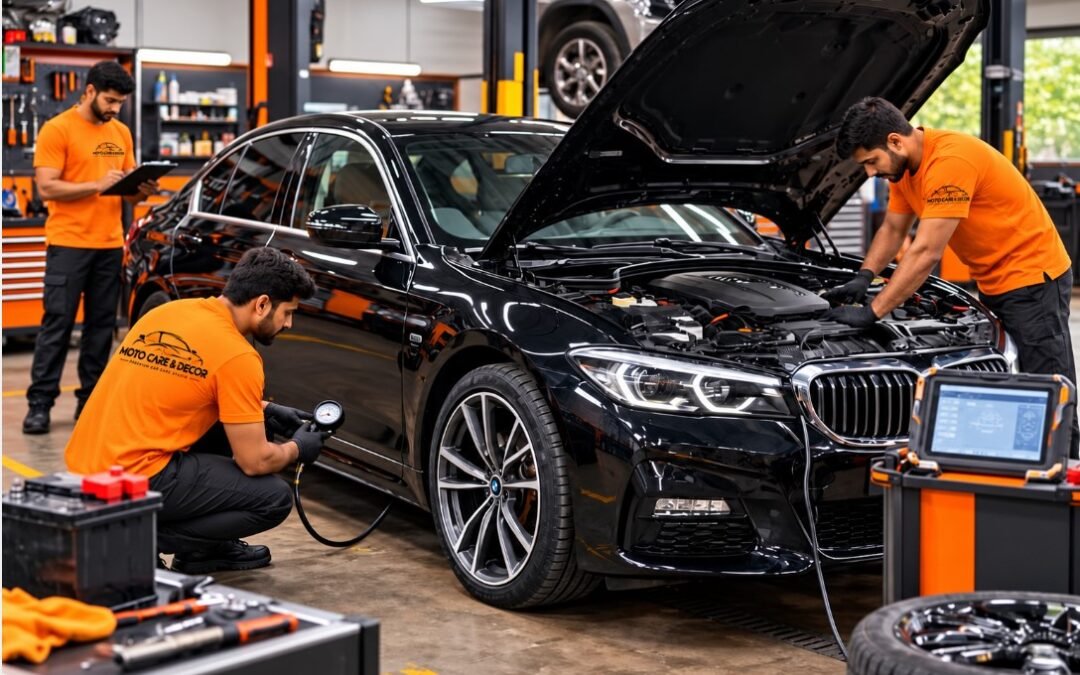
Essential Vehicle Checks Every Car Owner Should Know
Owning a car comes with more than just enjoying the drive. Regular car maintenance and vehicle checks are essential for keeping your vehicle safe, reliable and road-ready. Many common vehicle problems can be identified early through simple inspections, helping car owners avoid unexpected breakdowns and expensive repairs.
Whether you use your car every day for commuting, travel long distances or drive occasionally, following a basic car maintenance checklist can help maintain your vehicle's performance and overall condition.
1. Check Your Engine Oil
Engine oil plays an important role in lubricating and protecting the engine's moving components. Low or old engine oil can affect engine performance and may contribute to excessive wear.
Check the engine oil level according to your vehicle manufacturer's recommendations and follow the recommended oil-change interval. If you notice unusually low oil levels or frequent oil loss, it is advisable to have the vehicle inspected by a professional.
Keyword focus: engine oil check, engine maintenance, car engine care, regular car maintenance.
2. Inspect Your Tyres
Your tyres are one of the most important safety components of your vehicle. Regular tyre inspection can help identify uneven wear, visible damage and incorrect tyre pressure.
Check:
- Tyre pressure
- Tread condition
- Uneven tyre wear
- Cracks or visible damage
- Spare tyre condition
Maintaining the correct tyre pressure can support better handling, driving comfort and tyre life. Always follow the vehicle manufacturer's recommended pressure.
3. Check Wheel Alignment and Balancing
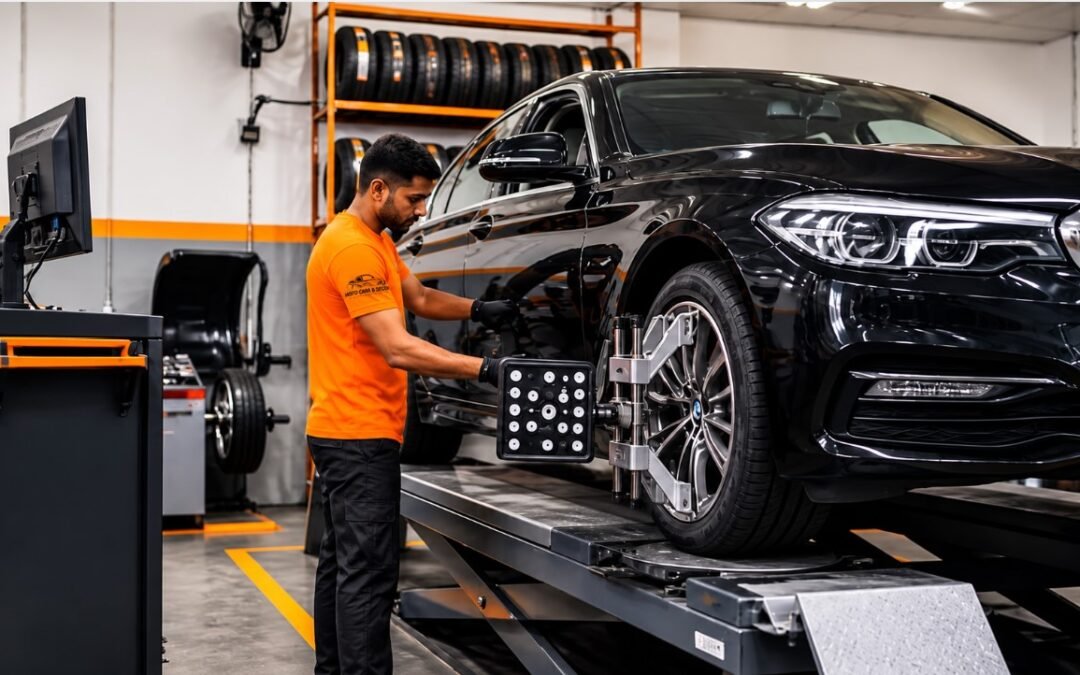
If your car pulls to one side, the steering wheel is not centred or you notice unusual tyre wear, it may be worth checking the wheel alignment.
Wheel balancing is also important when wheels and tyres develop an imbalance that can cause vibrations, particularly at certain speeds.
Professional wheel alignment and wheel balancing services can help maintain stable handling and a smoother driving experience.
4. Inspect the Brakes
Brakes require regular attention because they directly affect vehicle safety. Pay attention to warning signs such as:
- Unusual braking noises
- Vibrations while braking
- Increased braking distance
- A soft or unusual brake-pedal feel
- Brake warning lights
If you notice any of these symptoms, have your braking system inspected by a qualified professional.
5. Check the Battery
A weak battery can result in starting problems, especially when the battery is older or the vehicle has been used for an extended period without proper maintenance.
During a car battery check, professionals can inspect the battery condition and related electrical connections. If you experience repeated starting issues, dim lights or electrical problems, consider getting the battery and charging system checked.
6. Monitor Dashboard Warning Lights
Modern vehicles use warning lights to alert drivers about potential problems. Never ignore an unfamiliar dashboard warning light.
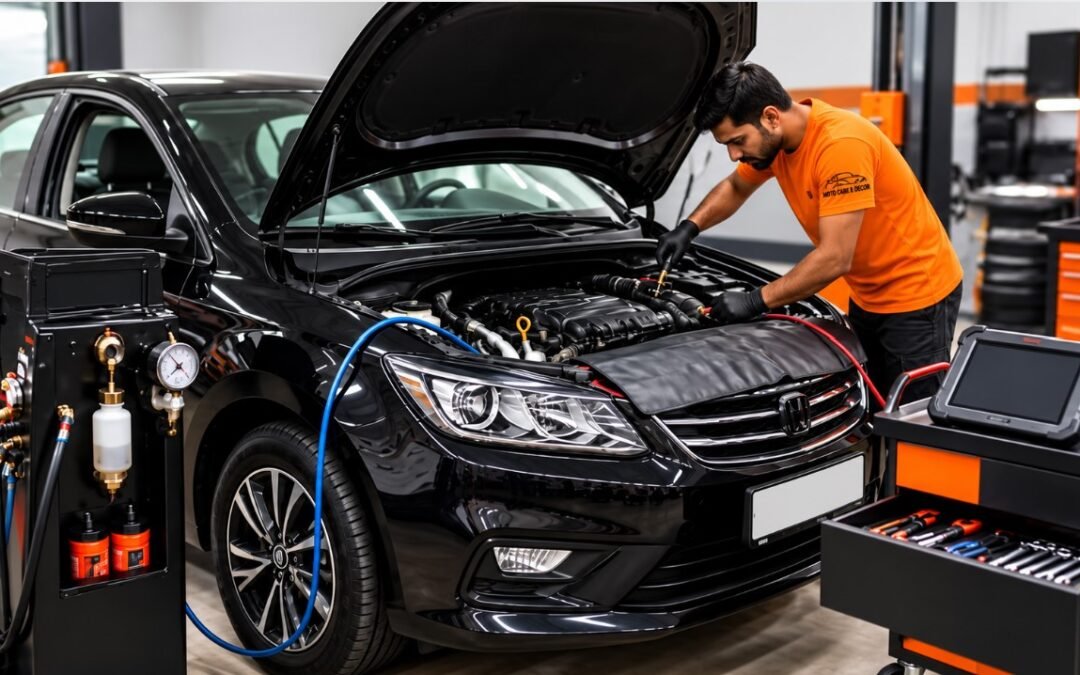
Depending on the vehicle, warning indicators may relate to the engine, battery, ABS, airbags, tyre pressure or other systems. A professional car diagnostic scan can help identify stored fault codes and provide additional information about potential issues.
7. Check the Cooling System
The engine needs an appropriate cooling system to maintain its operating temperature. Check the coolant level according to the manufacturer's recommendations and look for signs of leakage.
If your vehicle frequently overheats or you notice coolant loss, get the cooling system inspected instead of continuing to drive without addressing the problem.
8. Inspect Lights and Electrical Components
Headlights, brake lights, indicators and other exterior lights are important for visibility and communication with other road users.
Regularly check:
- Headlights
- Brake lights
- Turn indicators
- Reverse lights
- Hazard lights
- Number-plate lights
Replacing a faulty bulb or addressing an electrical issue early can improve visibility and safety.
9. Maintain the Air Conditioning System
A properly functioning car AC system helps maintain comfort, particularly during hot weather. If the AC is not cooling properly, produces unusual smells or makes abnormal noises, it may require inspection.
Regular cabin filter replacement and appropriate AC maintenance can also contribute to better air quality inside the vehicle.
10. Keep Your Vehicle Clean and Well Maintained
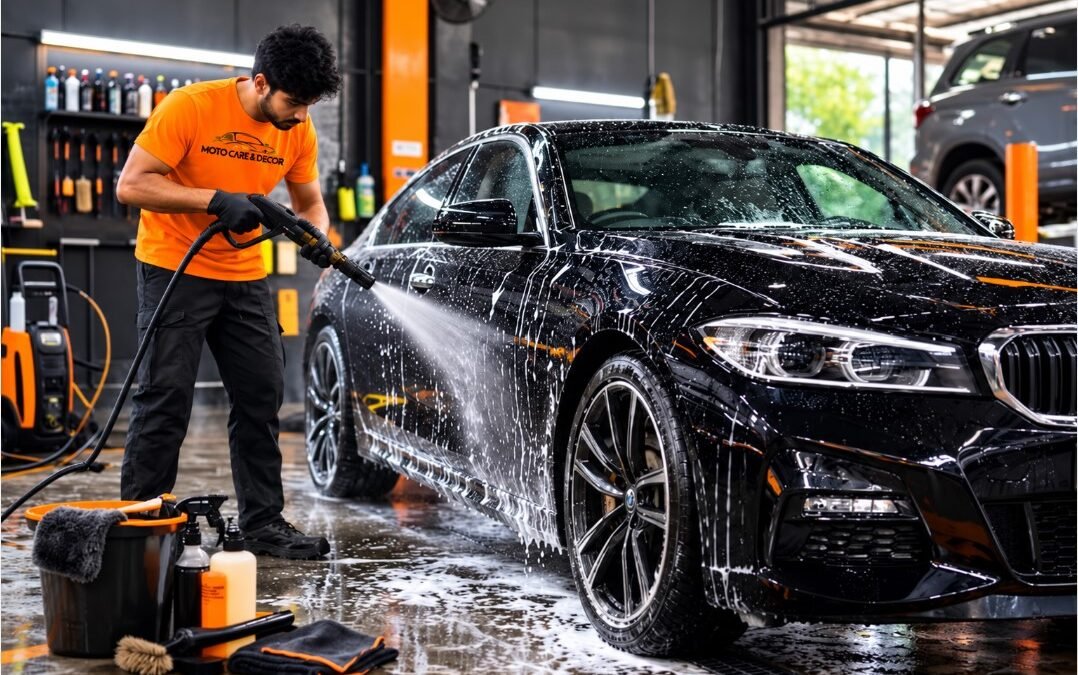
Vehicle maintenance isn't limited to mechanical components. Regular car washing, interior cleaning and vehicle detailing can help maintain your vehicle's appearance and make it more comfortable to use.
Cleaning the exterior removes accumulated dirt, dust and road grime, while interior cleaning helps keep seats, carpets, dashboards and other surfaces in better condition.
11. Consider a Professional Car Health Check
Even when a vehicle appears to be running normally, some problems may not be immediately noticeable. A professional car health check can help identify potential issues before they become more serious.
A diagnostic health check may include:
- Fault-code scanning
- Sensor checks
- Battery checks
- ABS system checks
- Airbag system checks
- Service-reset requirements
Regular diagnostic checks can be particularly useful before long-distance journeys or when you notice changes in vehicle performance.
12. Follow the Manufacturer's Service Schedule
One of the most important aspects of car servicing is following the vehicle manufacturer's recommended maintenance schedule.
Service intervals can vary depending on the vehicle, engine, usage and manufacturer recommendations. Keeping service records can also help you track previous maintenance and identify upcoming requirements.
Essential Car Maintenance Checklist
| Vehicle Check | Why It Matters |
|---|---|
| Engine Oil | Supports engine lubrication and maintenance |
| Tyre Pressure | Supports handling and tyre performance |
| Tyre Condition | Helps identify wear and visible damage |
| Wheel Alignment | Supports stable handling and even tyre wear |
| Wheel Balancing | Helps reduce unwanted vibrations |
| Brakes | Important for safe vehicle operation |
| Battery | Helps prevent starting and electrical issues |
| Coolant | Helps maintain appropriate engine temperature |
| Lights | Improves visibility and road communication |
| AC System | Supports cabin comfort |
| Diagnostic Scan | Helps identify stored vehicle fault codes |
| Vehicle Washing | Helps maintain exterior appearance |
| Regular Servicing | Supports long-term vehicle maintenance |
When Should You Get Your Car Checked?
Don't wait for a major problem before inspecting your vehicle. Consider a professional vehicle check-up when:
- You notice unusual sounds or vibrations
- Warning lights appear on the dashboard
- Your car pulls to one side
- Tyres show uneven wear
- Fuel efficiency changes noticeably
- Starting becomes difficult
- The brakes feel different
- You are planning a long-distance journey
- Your vehicle is due for scheduled servicing
Final Thoughts
Regular vehicle inspection and car maintenance can make car ownership more convenient and help you identify potential issues at an early stage. From tyre care, wheel alignment and brake inspection to engine maintenance, battery checks and vehicle diagnostics, every component plays a role in keeping your car reliable and road-ready.
At Moto Care & Decor, we bring a wide range of automotive solutions under one roof, including vehicle washing, wheel alignment, wheel balancing, tyre services, diagnostics, engine care, accessories and customization. Professional vehicle care combined with regular maintenance can help you keep your car clean, comfortable and ready for the road.